


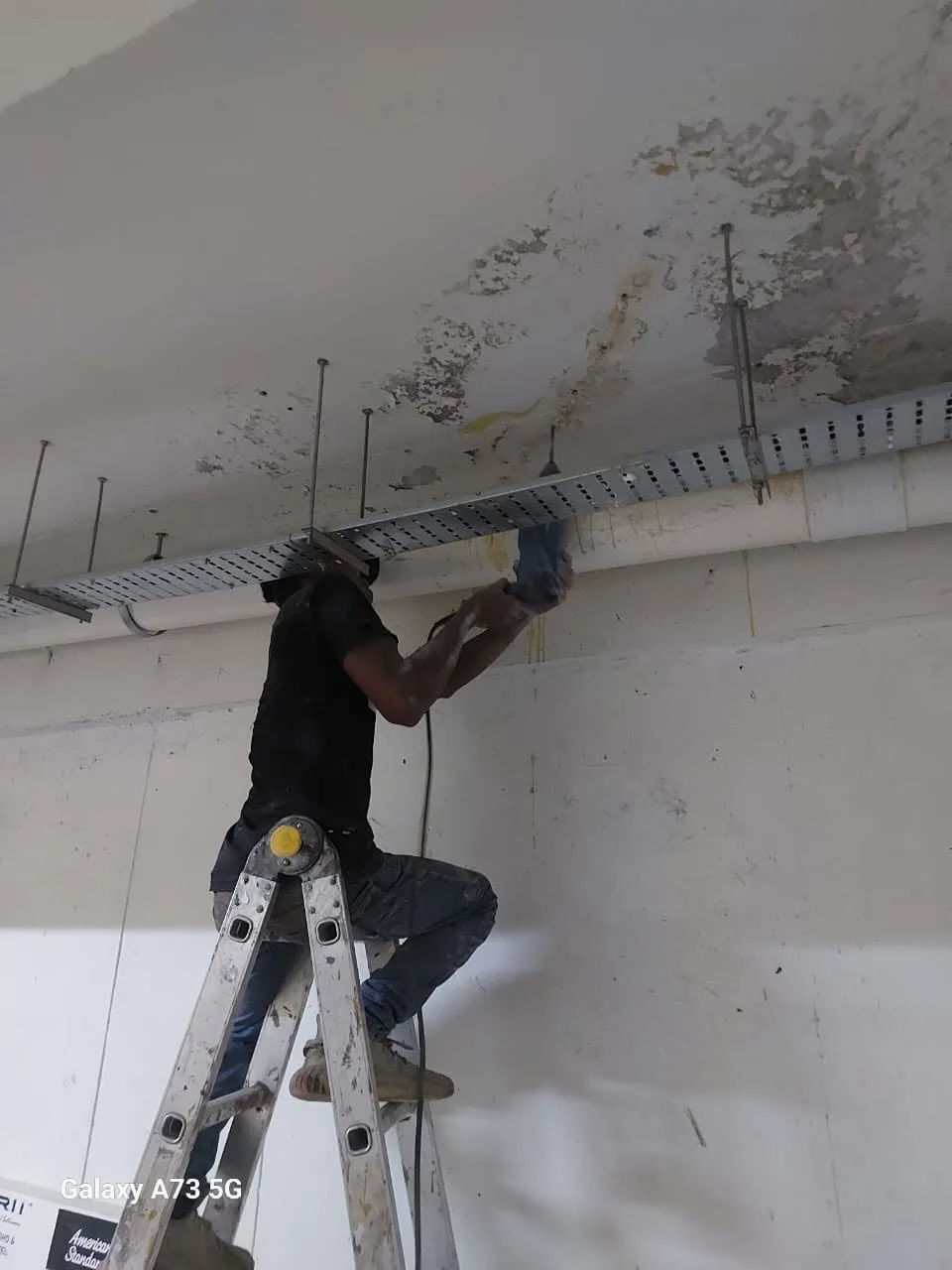
Top 7 Mistakes to Avoid During PU Injection Waterproofing
PU injection waterproofing is a trusted solution for stopping leaks in concrete structures across Kuala Lumpur. When done right, it seals cracks and prevents water from penetrating walls, basements, and foundations. However, even experienced professionals and contractors can make mistakes that lead to recurring leaks, wasted materials, or costly repairs. In this guide, we reveal the top 7 mistakes to avoid during PU injection waterproofing in KL, why they happen, and how to ensure your project delivers long-lasting results.
Why PU Injection Waterproofing is Popular in KL
Kuala Lumpur’s heavy rainfall, tropical humidity, and high groundwater levels make waterproofing a critical concern for property owners and contractors. PU injection waterproofing KL is widely chosen because polyurethane (PU) resin expands and fills even the smallest cracks, creating a watertight barrier. This technique works for basements, car parks, retaining walls, lift pits, and more. But its effectiveness depends on skilled application and avoiding common errors.
7 Mistake
1. Incorrect Injection Technique
One of the most frequent errors is using the wrong injection method or failing to control the pressure and flow of PU resin. Over-injecting can cause sealant to overflow and create a mess, while under-injecting leaves voids and allows leaks to persist. Some technicians may not position the injection packers correctly, resulting in incomplete coverage.
- Why this happens: Inadequate training, rushing the job, or misjudging the crack depth and width.
- How to fix: Always use the right packer spacing and injection sequence. Monitor pressure closely and inject slowly to ensure thorough resin penetration. Properly trained applicators will adjust their technique based on crack size and structure type.
2. Poor Surface Preparation
Skipping or rushing surface preparation is a recipe for failure. If the crack is not cleaned thoroughly, or if loose debris and dust remain, the PU resin may not bond properly with the concrete. Moisture and contaminants can also prevent the resin from expanding fully, resulting in weak seals and recurring leaks.
- Why this happens: Time-saving shortcuts, lack of awareness, or inadequate site assessment.
- How to fix: Carefully clean out cracks with wire brushes, water, or compressed air before injection. Remove all dirt, oil, and loose material. For deep cracks, flush with water to ensure a clean surface and optimal resin adhesion.
3. Choosing the Wrong PU Resin Type
Not all PU resins are the same. Selecting the wrong type—such as a non-foaming resin for active leaks or a low-viscosity resin for wide cracks—can cause the waterproofing system to fail. Different resins are formulated for wet or dry conditions, fast or slow curing, and various crack sizes.
- Why this happens: Lack of product knowledge or using leftover materials not suited for the site conditions.
- How to fix: Assess the crack width, depth, and water activity. Consult with a waterproofing specialist or supplier to choose a PU resin that matches your project requirements. For active water leaks, use a fast-reacting, foaming PU resin to quickly seal the area.
4. Ignoring Structural Movement
Concrete structures in Kuala Lumpur are subject to ground movement, thermal expansion, and settlement over time. PU injection can fail if the resin used is too rigid or if the cracks are not monitored for movement. As a result, new cracks may form, or existing ones may reopen after injection.
- Why this happens: Overlooking the building’s structural dynamics or using inflexible materials.
- How to fix: Use flexible, elastic PU resins that can accommodate minor future movement. For large or recurring cracks, consider additional structural strengthening or consult with an engineer.
5. Inadequate Site Assessment and Leak Diagnosis
Misdiagnosing the source of water ingress is a major pitfall. Sometimes, the visible crack is not the only entry point, or the true leak source is hidden elsewhere. Injecting PU into the wrong area wastes time and materials without solving the actual problem.
- Why this happens: Relying only on surface symptoms or skipping a comprehensive inspection.
- How to fix: Conduct a detailed assessment of the property, checking adjacent areas, above and below the visible crack. Use moisture meters, dye tests, or consult with waterproofing experts for accurate leak tracing. For guidance on detecting hidden leaks, read How To Identify Hidden Water Leaks In Kuala Lumpur Homes Before Major Damage Happens.
6. Overlooking Safety and Environmental Precautions
PU injection involves pressurised equipment and chemical handling. Failing to follow safety procedures may cause injuries, property damage, or environmental contamination. Spills, inhalation, and improper disposal are all potential risks if safety is neglected.
- Why this happens: Lack of personal protective equipment (PPE), poorly maintained tools, or inadequate training.
- How to fix: Ensure all operators use appropriate PPE such as gloves, goggles, and masks. Maintain injection equipment regularly and dispose of waste materials according to local regulations. Provide training on safe handling and emergency response procedures.
7. Failing to Conduct Post-Injection Inspection
Some teams leave the site immediately after injection, assuming the job is done. However, leaks may persist or new ones might emerge if the repair is not carefully inspected. Skipping post-injection checks can result in callbacks and dissatisfied clients.
- Why this happens: Tight schedules, overconfidence, or lack of follow-up protocols.
- How to fix: Always perform a thorough inspection after injection. Check for residual dampness, test for leaks, and ensure all cracks are fully sealed. Document the results and provide a maintenance recommendation to the property owner.
How to Ensure Effective PU Injection Waterproofing
To achieve reliable, long-term leak protection in KL, property owners and contractors should:
- Work with experienced, certified waterproofing specialists.
- Use the correct PU resin and injection technique for each project.
- Prioritise site assessment and crack diagnosis before starting work.
- Follow all safety and environmental protocols.
- Conduct thorough post-injection inspections and offer maintenance advice.
For more on choosing the right waterproofing method, read PU Injection vs Cementitious Waterproofing: What’s Right for Your Building?.
Conclusion
PU injection waterproofing is a proven solution for stopping water leaks in Kuala Lumpur buildings, but only when applied with care, skill, and the right materials. By avoiding these seven common mistakes, property owners and contractors can ensure their waterproofing system stands the test of time. If you’re considering PU injection waterproofing in KL, consult with a trusted specialist like Cisco Waterproofing to assess your needs and deliver a solution that lasts. For more details on our PU injection and pressure grouting services, see our dedicated Pressure Grouting PU Injection page.
Get Lasting PU Injection Waterproofing in KL with Cisco Waterproofing
Don’t let common mistakes undermine your leak repairs. Trust Cisco Waterproofing for expert PU injection waterproofing, pressure grouting, and comprehensive building protection in Kuala Lumpur and beyond. Our experienced team uses proven techniques and high-performance materials to deliver results you can rely on. Contact us today for a site assessment and customised waterproofing solution.
Frequently Asked Questions
What is PU injection waterproofing and how does it work?
PU injection waterproofing is a process where expanding polyurethane resin is injected under pressure into cracks in concrete structures. The resin reacts with water, expands, and seals the cracks to prevent water ingress, making it effective for stopping leaks in basements, walls, and foundations.
How do I know if PU injection is right for my KL property?
PU injection is ideal for repairing leaking cracks in concrete structures, especially where water is actively seeping through. If your property has visible cracks or recurring dampness in basements or retaining walls, a professional assessment can determine if PU injection is suitable.
Can I perform PU injection waterproofing as a DIY project?
PU injection waterproofing requires specialised equipment, correct product selection, and technical skill. DIY attempts may result in incomplete sealing or safety risks. It’s best to hire trained professionals to ensure lasting, effective results.
How long does PU injection waterproofing last?
When applied correctly with quality materials, PU injection waterproofing can last many years. The longevity depends on proper surface preparation, resin selection, and post-injection inspection. Regular maintenance and monitoring help prolong effectiveness.
What are the signs that my previous PU injection treatment has failed?
Signs of failure include persistent leaks, new water stains, recurring dampness, or visible cracks reopening. If you notice any of these issues, contact a waterproofing specialist for an evaluation and corrective action.