


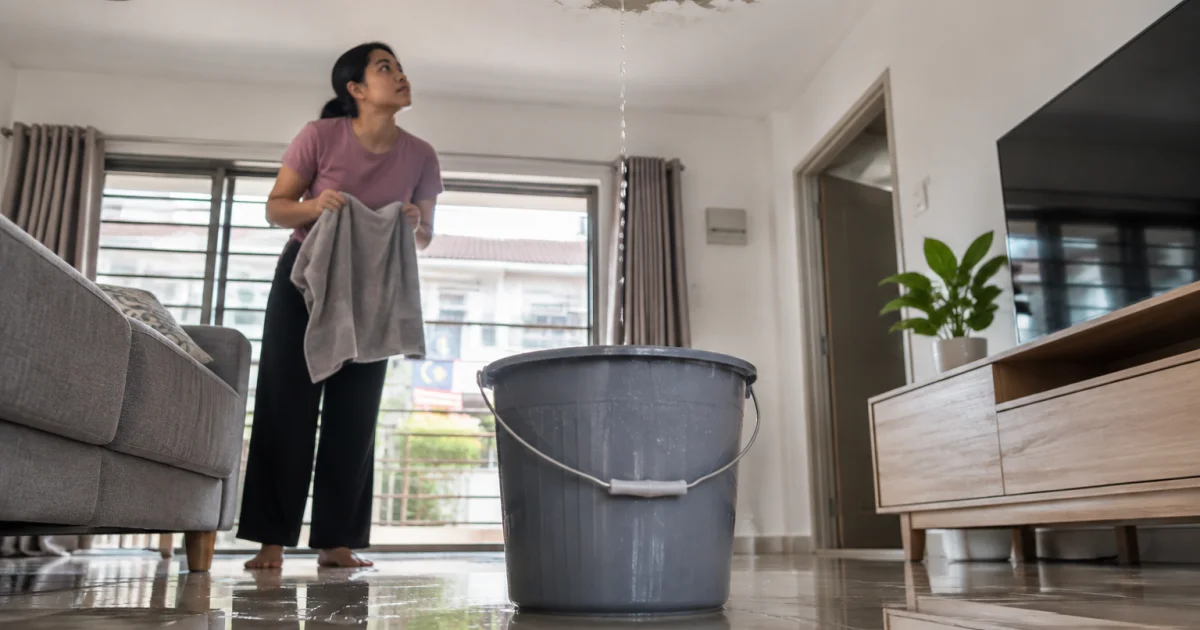
Roof Leakage Repair in Selangor: Emergency Steps to Minimise Damage While Waiting for a Contractor
When water starts dripping from the ceiling during a Selangor downpour, it’s tempting to “seal it now.” That’s also when costly mistakes happen: unsafe climbing, sealing the wrong area, or trapping moisture so damage spreads.
This guide covers what you can realistically do today while waiting for a professional assessment. It’s not a permanent fix, but it will reduce damage, preserve evidence, and help speed diagnosis. If you’re searching for roof leakage repair in selangor, stabilise the situation first—then move to the right long-term method.
1) First 30 minutes: make it safe, then make it dry
Prioritise people, power, and property. Many indoor losses occur because water reaches electrical points, weakens ceilings, or soaks items that could have been moved.
Step A: isolate electricity and slip hazards
- Switch off the affected circuit at the main board if water is near light fittings, fans, sockets, or trunking. If unsure, turn off the main switch and use a torch.
- Keep people away from the wet zone; floors become dangerously slippery.
- Don’t touch wet switches or metal fixtures while standing on a wet floor. Use dry gloves and stand on a dry surface if you must move items.
Step B: contain the water properly (buckets are not enough)
Use a layered approach so splashes and overflow don’t spread the damage:
- Place a large pail or storage box under the main drip point.
- Put towels or a rubber mat around it to reduce splash and stop water travelling under furniture or racks.
- If leaks appear in several pinholes, hang a plastic sheet (e.g., a cut-open garbage bag) to channel water into one collection point.
- Move electronics, documents, and stock 1–2 metres away from the wet zone.
Step C: relieve ceiling “ballooning” if it’s bulging
If a plaster ceiling is sagging and holding water, it can collapse. Controlled draining is often safer than waiting, as long as you do it carefully.
- Wear eye protection.
- Place a container under the lowest bulge.
- Use a screwdriver to make a small hole and release water slowly (avoid large openings that tear the board).
- Stop immediately if you see electrical cables or water begins gushing uncontrollably—call a professional.
What not to do: don’t hammer the ceiling or cut large holes unless you’re trained. Aim for controlled drainage, not demolition.
2) Quick diagnosis: where the water shows is rarely where it enters
The indoor drip point is often downstream from the entry point. Water can travel along rafters, purlins, slabs, insulation, or conduit, then emerge far away.
While waiting for a contractor, avoid guessing and sealing. Instead, observe and record clues that shorten troubleshooting.
Clues to note (take photos/video)
- Timing: only during heavy rain, or also after rain stops?
- Pattern: one spot, a line, or multiple points?
- Water type: clear, rusty-coloured (possible metal deck corrosion), or muddy (debris/overflow)?
- Smell: a musty odour suggests longer-term trapped moisture.
Common sources in Selangor properties
- Pitched tile roofs: cracked/dislodged tiles, failed valley gutters, broken ridge capping, deteriorated underlay, flashing gaps.
- Metal deck roofs: loose/overdriven screws, failed sealant washers, rust pinholes, lap joint gaps, end-lap backflow in wind-driven rain.
- Flat roofs/RC slabs: ponding water, hairline cracks, failed waterproofing membrane, termination failures at parapets.
- Penetrations: pipe sleeves, antenna mounts, skylights, AC piping, solar brackets without proper flashing.
- Overflow: clogged gutters/downpipes causing back-up at eaves or parapet corners.
If a metal deck is heavily corroded or repeatedly patched, it may eventually point to metal deck roofing replacement rather than endless spot sealing. An inspection can confirm.
3) Temporary measures you can do (and what to avoid)
Temporary measures should reduce water entry briefly without hiding evidence or creating new leak paths. The best actions are reversible.
If you can safely access the roof (only when conditions are safe)
Do not go onto a wet, steep, or high roof during rain or strong wind. Wait for a dry window, use proper footwear, and never work alone.
- Clear gutters and downpipe inlets (overflow is a common, quickly-reduced trigger).
- Re-seat obviously shifted tiles if reachable without breaking adjacent tiles.
- Cover exposed areas with a secured tarp as a short-term shield; anchor properly to prevent hazards.
If you cannot safely access the roof (most people shouldn’t)
- Focus indoors: containment, drying, and documentation.
- Use fans/dehumidifiers after the leak slows; keep them away from standing water.
- Protect surfaces with plastic sheeting over furniture or stock racks.
Temporary “quick fixes” that often backfire
- Smearing sealant everywhere: can divert water into new paths and makes diagnosis harder.
- Painting over stains: hides active moisture and can trap dampness.
- Using injection/chemicals without diagnosis: PU injection and pressure grouting are effective when correctly specified, but waste money when misapplied.
- Walking on fragile roofs: cracked tiles and corroded sheets can fail under body weight.
If water is entering through cracks in an RC slab, walls, or joints (common at balconies, toilets above shops, or parapets), a contractor may propose pressure grouting or PU injection to seal internal pathways. This is different from surface sealant and should be assessed on site.
4) Prepare for the contractor: information that speeds up roof leakage repair
For BOFU decisions, speed and clarity matter. Repairs go faster when the site is safe, documented, and accessible, with a shortlist of suspected sources.
Create a simple “leak brief” (10 minutes)
- Property type: terrace, semi-D, bungalow, shop lot, factory, warehouse.
- Roof type: tiles, metal deck, flat concrete slab, or mixed.
- Leak onset: sudden after storm, started recently, or recurring at the same spot.
- Leak location: room name and nearest landmark (beam line, window, staircase, frontage).
- Photos/videos: stains/drips indoors plus any safe roof-level views (from balcony/window/ground zoom).
Give safe access and permission boundaries
Clear access to roof hatches, upper floors, ceiling voids, and affected areas. In shop lots, clear aisle space for ladders and protect stock. In condos/managed buildings, coordinate access with management and security.
Ask the right questions (opinionated but practical)
The best Roof leak repair contractors Selangor don’t push one method immediately—they explain the suspected path and confirm it with inspection or testing.
- What’s the likely root cause (flashing, cracked tile, rusted sheet, membrane failure, joint movement)?
- How will you confirm it (visual inspection, flood test, moisture tracing, targeted opening)?
- What repair system do you recommend and why (patch, re-flashing, coating, membrane, partial replacement)?
- What prep work is required (cleaning, rust treatment, screed repair, crack chasing)?
- What must be kept dry, and for how long, during curing?
5) Typical professional solutions you may be offered (and how to decide)
After the emergency is stabilised, the long-term fix depends on roof type, damage extent, and access. Below are common solutions you may hear when discussing Waterproofing Selangor options.
Tile roof: targeted tile and flashing repairs
Many pitched roof leaks are solved by replacing broken tiles, correcting alignment, and restoring flashings/valleys. If underlay or valleys are failing, the repair may need to extend beyond the obvious damaged tile.
Relevant service: roof tile and metal deck repair services.
Metal deck: fasteners, lap joints, coating, or replacement
Metal roofs often leak at screws/washers and lap joints. If corrosion is widespread, a metal roof coating system may be recommended after proper preparation (cleaning, rust treatment, priming). If sheets are too thin or perforated, partial/full replacement can be more cost-effective than repeated patching.
Simple decision rule: if you’re patching new spots every few months, the roof may be nearing end-of-life.
Flat roof / balcony / terrace: torch-on membrane or PU coating
For flat areas exposed to ponding, a membrane system is often used. Torch-on membrane waterproofing is commonly chosen for durability on flat roofs, terraces, and balconies when detailing at upturns and outlets is done properly. A heavy-duty PU coating may suit cases where a seamless system is appropriate and the substrate is prepared correctly.
Ask specifically about detailing at parapets, outlets, penetrations, and terminations—frequent failure points.
Cracks in RC slab or walls: PU injection / pressure grouting and crack repair
When the leak path runs through structural cracks or voids, injection methods can stop active seepage without extensive hacking. These should be specified based on assessment, not used as a blanket fix.
Reference: crack and wall repair.
Secondary damage: epoxy flooring and interior restoration planning
In shops, warehouses, and some homes, leaks can damage floors and create hygiene issues. After the leak is solved and the slab is dry, some owners consider epoxy coating for easier cleaning and improved water resistance in wet-prone zones. See: flooring epoxy coating.
Conclusion: stabilise first, then insist on root-cause repair
Emergency containment prevents a bad day from becoming a major renovation. Prioritise safety, control the water, document patterns, and avoid DIY “fixes” that hide the source. Then hire a contractor who can explain why the leak is happening, confirm it with inspection/testing, and recommend a system matched to your roof type—tile repair, metal deck restoration, torch-on membrane waterproofing, PU coating, or injection-based sealing.
Done well, these steps minimise damage now and make the actual repair faster, cleaner, and more likely to last.
Frequently Asked Questions
Should I go onto the roof during rain to stop the leak faster?
No. Wet tiles and metal decks are extremely slippery, and strong wind can destabilise ladders. Focus on switching off affected electrics, containing water indoors, and waiting for a safer dry window or a professional with proper equipment.
Why does the leak show up far from where rain enters?
Water can travel along rafters, purlins, insulation, concrete slabs, and even electrical conduit before dripping at a low point. That’s why accurate diagnosis usually needs inspection of flashings, joints, valleys, outlets, and roof penetrations—not just the ceiling stain.
Can I use silicone or sealant as a temporary fix?
A small, targeted seal can sometimes slow a leak, but random sealing often backfires by diverting water into new paths and making the real entry point harder to trace. Use temporary measures that are reversible (containment, tarp cover, gutter clearing) and let the contractor confirm the source.
When is pressure grouting or PU injection used for leak repair?
These methods are typically used when water is travelling through cracks, joints, or voids within concrete or masonry—such as slabs, retaining walls, or certain wall cracks. They’re effective when applied after proper assessment, but they’re not a universal solution for every roof leak.
What information should I send to a waterproofing contractor in Selangor before they visit?
Send clear photos/videos of the drip and staining, note when it happens (light rain vs heavy rain), identify the room/location, and state your roof type (tile, metal deck, flat slab). If you can safely take roof-level photos from a window or balcony, include those too.
Need urgent help stopping an active roof leak?
Cisco Waterproofing provides practical, root-cause focused solutions for Selangor properties—from roof tile and metal deck repairs to torch-on membrane systems, heavy-duty PU coating, and non-invasive pressure grouting & PU injection when appropriate. If you’ve contained the leak and need a reliable next step, our team can assess the cause and recommend a lasting repair approach.