


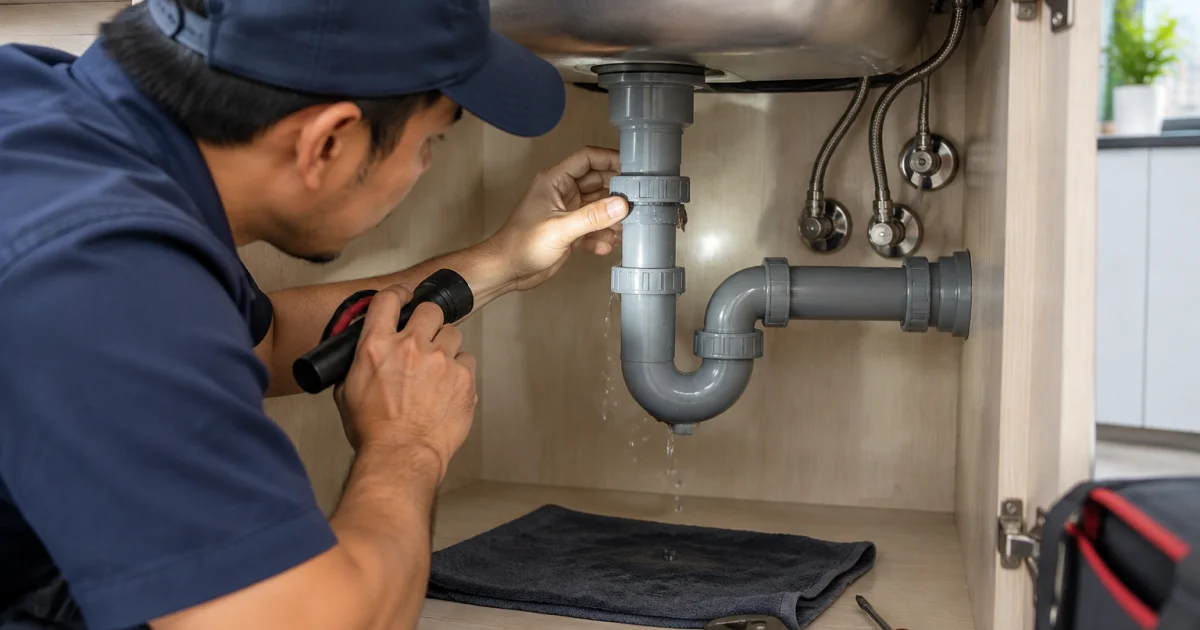
Plumbing Services in Kuala Lumpur: Why ‘Fix the Leak Source First’ Often Saves Money on Waterproofing Later
When water shows up where it shouldn’t—ceiling stains, bubbling paint, damp cabinets, or a neighbour reporting drips—many property owners in KL jump straight to “We need waterproofing.” Sometimes that’s true. But many recurring indoor leaks in homes, condos, and commercial units start as plumbing problems first, and waterproofing problems second.
If you’re comparing Plumbing services Kuala Lumpur options versus surface waterproofing, start with a simple rule: fix the leak source first. If water is still being generated by a pipe joint, trap, concealed waste line, supply hose, or a poorly sealed penetration, any coating or membrane applied “on top” is likely to fail again—or never solve the problem.
Below is a practical guide to plumbing vs waterproofing decisions in Kuala Lumpur and Selangor, how to avoid paying twice, and when a combined approach is the most economical route.
Why “waterproof it” is an expensive first instinct
Waterproofing is effective when water travels outside-in (rain through roofs, external walls, balconies, planter boxes) or rises from ground moisture (basements, retaining walls). Plumbing leaks are inside-out: pressurised supply lines, waste pipes, traps, and fittings create water inside walls, floors, and ceilings.
Waterproofing before confirming the source often leads to three avoidable costs:
- Cosmetic fixes that trap moisture: Sealants and coatings may hide symptoms while water continues behind finishes, spreading damage to ceilings, cabinets, skirting, and even electrical points.
- Wrong location treatment: The stain is rarely the origin. Water can travel along pipes, beams, conduits, or slab edges before it becomes visible.
- Repeat mobilisation and rework: Even if waterproofing is eventually needed, doing it first (or doing partial “patches”) commonly increases total cost.
If a leak is active, recurring, or returns after prior “patching,” assume there’s a source issue until proven otherwise. The goal is to stop water generation and movement before spending on protective layers.
Leak source vs waterproofing failure: a practical KL checklist
You don’t need a lab test to make better decisions. You need structured observation and a process. Use these indicators to decide what to investigate first.
Strong signs the issue is plumbing-related
- Leak appears only when water is used: After showers, flushing, kitchen sink use, washing machine cycles, or water heater usage.
- Intermittent dripping: Dry for days, then suddenly wet—often tied to usage patterns or pressure changes.
- Wet cabinet base / under-sink area: Common causes include kitchen traps, flexi hoses, angle valves, and failing joints.
- Toilet-area symptoms: Dampness near the WC base, musty smells, or wet grout lines can point to a flange or waste pipe issue.
- Neighbour below complains (condos): Often linked to bathrooms, kitchen wet areas, or A/C drainage lines from the unit above.
Signs waterproofing may be the primary issue
- Leak worsens during heavy rain: Especially on top floors or near external walls/windows.
- Balcony/planter box involvement: Ponding water, failed screed, or cracked tile beds can drive rainwater into the slab.
- Flat roof or parapet leakage: Roof entry often needs systems like torch-on membranes or PU coating.
Both can be true: a plumbing leak can saturate a slab and later look like waterproofing seepage, and rain ingress can mimic pipe leaks. That’s why diagnosis is where most money is saved.
How fixing the source first reduces total repair cost
Real savings usually come from preventing rework. Fixing plumbing sources first lowers the chance you’ll pay for:
- Multiple hacking cycles (open, patch, re-open)
- Repeated ceiling replacement and repainting
- Cabinet replacement from swelling and mould
- “Mystery leak” call-outs that treat symptoms, not causes
A cost-controlled sequence usually looks like this:
- Confirm the source: Visual checks, controlled water testing, and targeted access where necessary (not full demolition by default).
- Repair plumbing: Replace failed fittings, reseal penetrations, repair joints, correct waste-line gradients, or address overflow/venting issues.
- Allow drying (when appropriate): Let trapped moisture release before sealing it under coatings or finishes.
- Restore protection: Only then decide on waterproofing layers, crack treatment, or surface protection (epoxy/PU) based on actual risk.
Done in this order, waterproofing returns to its proper role: prevention, not a bandage.
Common KL scenarios where waterproofing is done too early
Use these common patterns in Kuala Lumpur and Selangor to sense-check a proposed scope of work.
1) Condo bathroom leak to the unit below
The default assumption is “bathroom waterproofing failed.” Sometimes it did. But many cases start at a plumbing point: shower mixer joints, concealed pipe joints, trap connections, or a WC outlet leak. Re-waterproofing the floor without fixing a leaking waste connection often means the leak continues—sometimes reappearing in a different spot.
What helps: isolate fixtures one by one (shower, basin, WC), run controlled tests, and inspect penetrations. If cracks or movement exist, targeted repair may be needed before any membrane or coating work.
2) Kitchen cabinet base always damp
Sealing cabinet edges or applying “waterproofing paint” is common DIY. It rarely lasts because it doesn’t stop drips at the source.
What helps: replace worn flexi hoses, tighten/replace P-traps, check the sink strainer seal, and confirm the wall angle valve isn’t seeping. After plumbing is stable, use simple protective measures (e.g., a properly sealed cabinet base) rather than heavy waterproofing systems.
3) Ceiling stain under a bathroom or pantry
A stain is an end-point, not a map. Water can travel along reinforcement, conduits, or pipe routes. Repainting without stopping moisture is guaranteed rework.
What helps: stop the active leak, then repair secondary damage. Where cracks transmit water and hacking is highly disruptive, methods like pressure grouting or PU injection can be considered to fill voids and block seepage paths—after confirming it isn’t a live pipe leak.
4) “We already waterproofed, but it still leaks”
This is the most expensive scenario because budget is already spent. Adding another layer is tempting, but it often repeats the same diagnosis mistake. Before re-waterproofing, ask: “What was the confirmed water source?” If the answer is vague (“probably the floor”), you may be paying for layers without proof.
At this stage, a combined approach (plumbing + waterproofing + crack repair) is often the fastest route to closure.
When waterproofing still matters after plumbing repair
Fixing the source first doesn’t mean waterproofing is unnecessary. It means waterproofing is used for the right reason. After plumbing is repaired, waterproofing or protective systems can still be needed when:
- Wet-area substrates are damaged: Long-term leakage can deteriorate screed/tile beds or create hollow tiles, requiring reinstatement and proper wet-area waterproofing.
- Cracks and movement points exist: Settlement and thermal movement can open micro-cracks that need proper crack treatment, not just paint.
- There is external exposure: Balconies, terraces, parapet walls, and flat roofs are classic waterproofing zones, often needing torch-on membranes or heavy-duty PU coating.
- High-traffic/industrial zones need protection: Epoxy or PU systems can improve water resistance and maintenance, but only on a dry, stable substrate.
If you’re in Selangor planning broader building protection works, it’s common to pair plumbing correction with targeted Waterproofing Selangor solutions—especially for roof edges, external wall faces, balconies, and wet-area detailing where heavy rain and humidity amplify small defects.
Choosing the right contractor: what to ask before you approve work
Because this is BOFU decision-making, these questions help protect your budget and timeline. A reliable provider should answer clearly and explain their verification steps.
Questions for plumbing-focused diagnosis
- How will you confirm the leak source? Look for controlled testing and a step-by-step isolation plan, not guesses.
- What will you repair vs replace? A cheap patch may fail quickly if a fitting is already degraded.
- Will hacking be required? If yes, how will access be limited to what’s necessary?
Questions before any waterproofing scope
- What is the water path? From where to where? The explanation should match your site symptoms.
- What preparation is included? Waterproofing depends on proper prep, detailing, and correct terminations. “Just apply coating” is rarely enough.
- How will you handle cracks? If wall or slab cracks exist, ask whether crack treatment is included. Where movement or fissures are part of the leakage route, consider a crack and wall repair solution.
When you should consider a combined team
If the leak affects multiple elements (pipe routes + slab + wall), separate contractors can create a “not my scope” loop. A provider that coordinates plumbing work with waterproofing and remedial methods can reduce downtime and close gaps between trades.
For example, if you need verified plumbing corrections first, review a dedicated plumbing work service scope, then decide what waterproofing or crack treatment is still required once the source is solved.
Conclusion: stop paying for symptoms—solve the source, then protect the building
Most recurring indoor leaks become expensive because the repair sequence is reversed. Waterproofing is essential in the right applications, but it is not a substitute for fixing a live plumbing fault.
If you’re dealing with repeat toilet, kitchen, or ceiling leak issues in Kuala Lumpur, prioritise leak-source confirmation and plumbing repair first. Once water is no longer being generated or travelling through hidden routes, you can invest in waterproofing and protective systems with higher confidence—and lower risk of paying twice.
For a practical next step: document when the leak happens (rain vs usage), take photos, and ask for a diagnosis plan that separates source, path, and damage. That shift alone often makes the biggest difference to final cost.
Frequently Asked Questions
How do I know if I need plumbing repair or waterproofing for a bathroom leak?
Start with timing and triggers. If leakage appears after showering, flushing, or using the basin, plumbing is a strong suspect (traps, joints, concealed pipes, WC outlet). If it worsens mainly during heavy rain or involves balconies/external walls, waterproofing may be primary. In condos, controlled testing to isolate each fixture is often the fastest way to confirm the source before re-waterproofing.
Can waterproofing paint stop a kitchen sink leak under the cabinet?
It may reduce surface dampness briefly, but it usually doesn’t stop the actual leak source (flexi hose, angle valve, sink strainer seal, P-trap). If water is still dripping, coatings only hide the symptom and can trap moisture in timber cabinets. Fix the plumbing first, then consider simple protective measures for the cabinet base.
What is pressure grouting or PU injection, and when is it useful for leaks?
Pressure grouting and PU injection are methods to fill cracks, joints, or internal voids where water is travelling through concrete or masonry. They can be useful when hacking is disruptive or when water is migrating through hidden pathways. They are not a replacement for repairing a leaking pipe—so source confirmation still matters before choosing injection.
After fixing a plumbing leak, do I still need waterproofing?
Sometimes yes. If long-term leakage damaged the wet-area substrate, opened cracks, or compromised detailing at penetrations, waterproofing may still be needed to restore protection and prevent future seepage. The difference is that waterproofing works best after the active source is solved and the area has been properly prepared and dried where appropriate.
I’m in KL/Selangor—should I hire one contractor for both plumbing and waterproofing?
If the problem spans multiple elements (pipes, slab, wall cracks, ceiling damage), a combined team can reduce handover gaps and “not my scope” delays. The key is to ensure the contractor explains the leak source, repair sequence, and what testing/verification they will do before applying any membranes or coatings.
Need a leak fixed at the source before you waterproof?
Cisco Waterproofing helps KL and Selangor owners diagnose recurring leaks with a practical, root-cause-first approach—then carry out the right repair sequence, whether that means plumbing correction, crack treatment, pressure grouting/PU injection, or targeted waterproofing protection.
If you want fewer repeat call-outs and a clearer plan, talk to our team about an on-site assessment and repair options that fit your building condition and downtime requirements.